
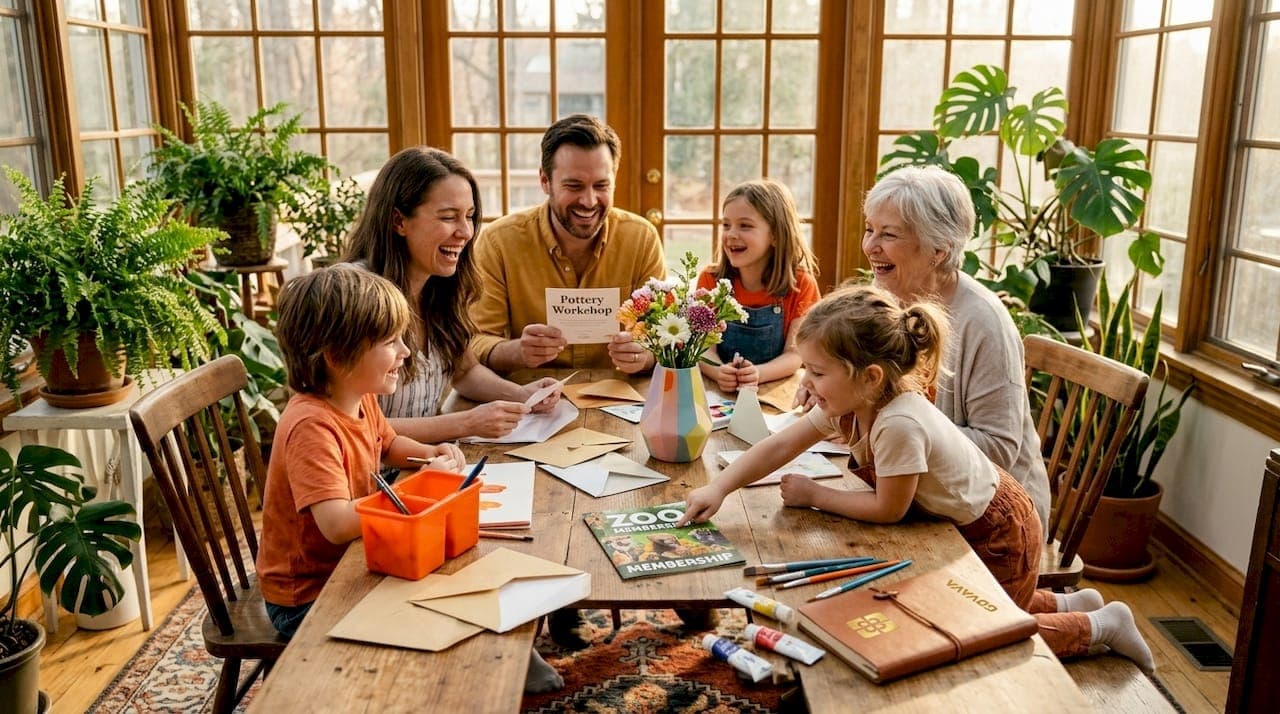
Forget the toy that gets abandoned by January, or the gadget that sparks a sibling argument before lunch. The real gift-giving sweet spot for families is shared experiences, what gift professionals call experiential gifting, and finding experience gifts the whole family enjoys is genuinely one of the most rewarding things you can do for the people you love. Done right, these gifts don't just get unwrapped and forgotten. They become stories your kids tell for years. This guide walks you through how to choose, plan, and execute them with confidence.
Table of Contents
- Key Takeaways
- Experience gifts the whole family enjoys: what to consider first
- Popular types of family experiences worth gifting
- How to plan and give experience gifts well
- Pitfalls that turn great ideas into stressful days
- What a winning family experience gift actually looks like
- My honest take on what makes these gifts succeed or fail
- How Govava helps you find the right family experience
- FAQ
Key Takeaways
| Point | Details |
|---|---|
| Match age and interest first | Choose experiences that fit every child's age and the family's real lifestyle, not just an aspirational version of it. |
| Build in bonding protocols | Even one hour of tech-free time during the experience dramatically increases emotional connection. |
| Plan with a 12-week buffer | Trips requiring travel need roughly 12 weeks of lead time to avoid the stress of last-minute logistics. |
| Presentation makes it tangible | Revealing an experience gift with props, a printed itinerary, or a themed envelope transforms it from abstract to exciting. |
| Shared decisions deepen bonds | Experiences that require family cooperation and joint choices create more connection than parallel activities. |
Experience gifts the whole family enjoys: what to consider first
Before you click "buy" on a family experience package, take a breath and think about fit. Not every experience that looks magical in a photo will land well in real life, especially with a toddler in tow or a teenager who would rather be anywhere else.
The most important filter is age appropriateness. Age minimums on activities can range from 2 years for a gentle catamaran cruise all the way to 12 years for white-water tubing, meaning a single adventure trip could accidentally exclude half your crew. Check every activity's minimum age before you commit, and make sure there's something genuinely engaging for each child, not just a waiting area while the older kids have fun.
Here's what else deserves a hard look before you book:
- Real interests, not wishful thinking. A cooking class sounds wonderful, but does your family actually love cooking together? Gifts that align with existing interests and feel simple to engage with are the ones that actually get used and remembered.
- Logistical realism. How far is the venue? Does it require multiple forms of transportation? Is there parking, or will you be herding kids through a train station at rush hour? The easier the logistics, the more everyone can focus on enjoying the day.
- Energy levels and pacing. A multi-day outdoor adventure may delight a family of active tweens but exhaust a family with a five-year-old. Build in downtime. Aim for one or two main activities per day rather than packing every hour.
- Supervision requirements. Some outdoor family gifts, like zip-lining or kayaking, require adult supervision ratios that affect how many adults need to come along.
Pro Tip: Before choosing any experience, ask each family member what they'd most love to do together. Even kids as young as four can express preferences. Their answers will tell you far more than any gift guide.
Popular types of family experiences worth gifting
The world of experiential gifting is richer and more varied than most people realize. You're not choosing between "theme park" and "beach trip." The options span everything from a single afternoon to a full week, and each category has its own strengths for family bonding activities.
All-in-one resort and indoor venue stays
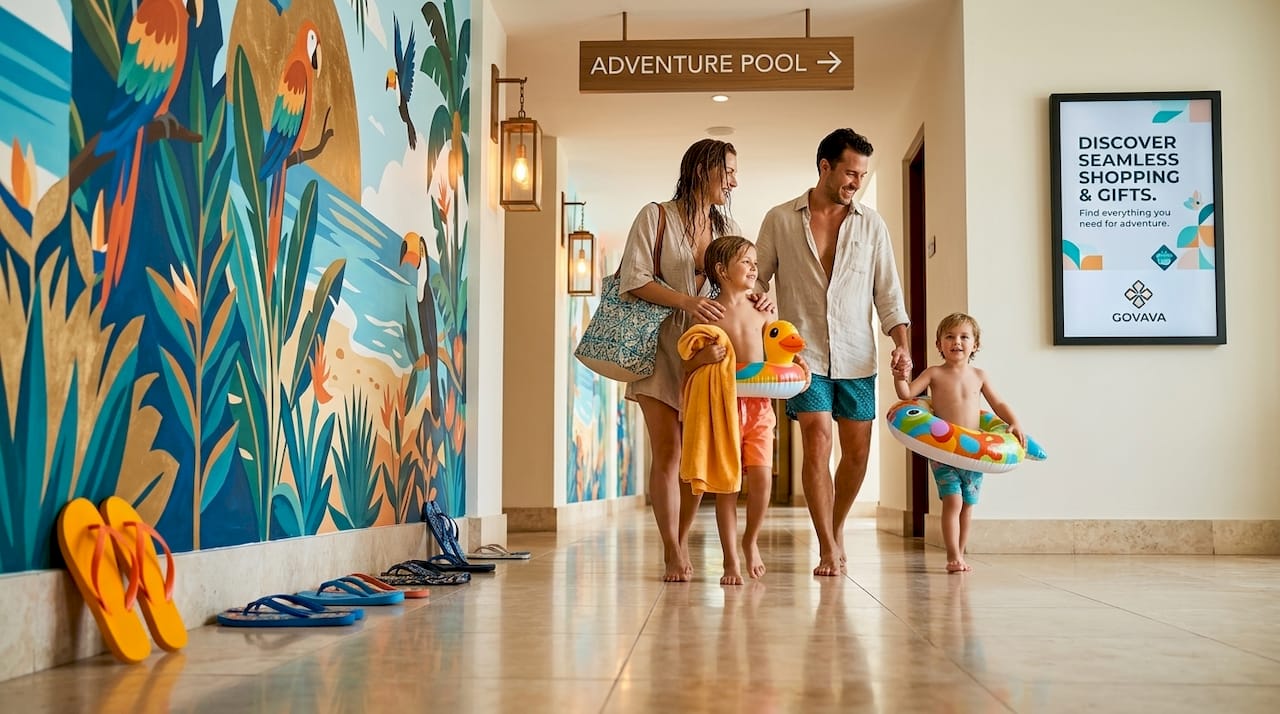
These are often the lowest-stress options for families with young children. Places like Great Wolf Lodge exemplify the multi-activity indoor resort model: meals, lodging, a water park, and a dozen other activities under one roof. Nobody needs to drive anywhere once you arrive. That removal of logistical friction is genuinely underrated when you have multiple kids at different ages. Luxury guest ranch resorts take this further: Vista Verde Ranch in Colorado offers accommodations, kids programs, and meals on a single property, with structured activities for ages 6 and up alongside adult options. The whole family is taken care of, simultaneously, without chaos.
Outdoor adventures and nature-based experiences
For families that thrive outside, outdoor family gifts open up incredible territory. Hiking with a guided naturalist, a sunrise kayak tour, or a stargazing night at a dark-sky park can captivate kids and adults equally. The key is choosing activities calibrated to your youngest child's stamina and curiosity, not your most adventurous adult's bucket list.
Cultural and creative workshops
Pottery classes, bread-baking sessions, street art workshops, improv theater for families. These shared learning experiences work beautifully because everyone starts as a beginner. No one has a built-in advantage, which levels the playing field and creates genuine laughter. Check out some creative experience ideas if your family skews more artistic.
Memberships and passes
An annual zoo, aquarium, or children's museum membership is one of the most underused experience gift formats. It functions as a gift that keeps giving throughout the year, allows for short, low-pressure outings, and suits a huge age range.
Themed quest experiences
Passport-style challenges and scavenger hunts at theme parks engage families across multiple age groups by turning the visit into a shared mission. Everyone has a role, everyone contributes. That structure matters more than most parents expect.
| Experience type | Best for | Age range | Stress level |
|---|---|---|---|
| Indoor resort stay | Multi-age families, cold climates | 2 and up | Low |
| Outdoor adventure trip | Active families, older kids | 6 and up | Medium |
| Creative workshop | Families who love making things | 5 and up | Low |
| Zoo or museum membership | Repeat-visit families, young children | All ages | Low |
| Theme park quest | High-energy families, fan groups | 3 and up | Medium |
| Ranch or nature retreat | Families wanting total immersion | 6 and up | Low to medium |
How to plan and give experience gifts well
Good intentions plus bad planning equals a frustrated family standing in a parking lot wondering what went wrong. Here's how to do it right.
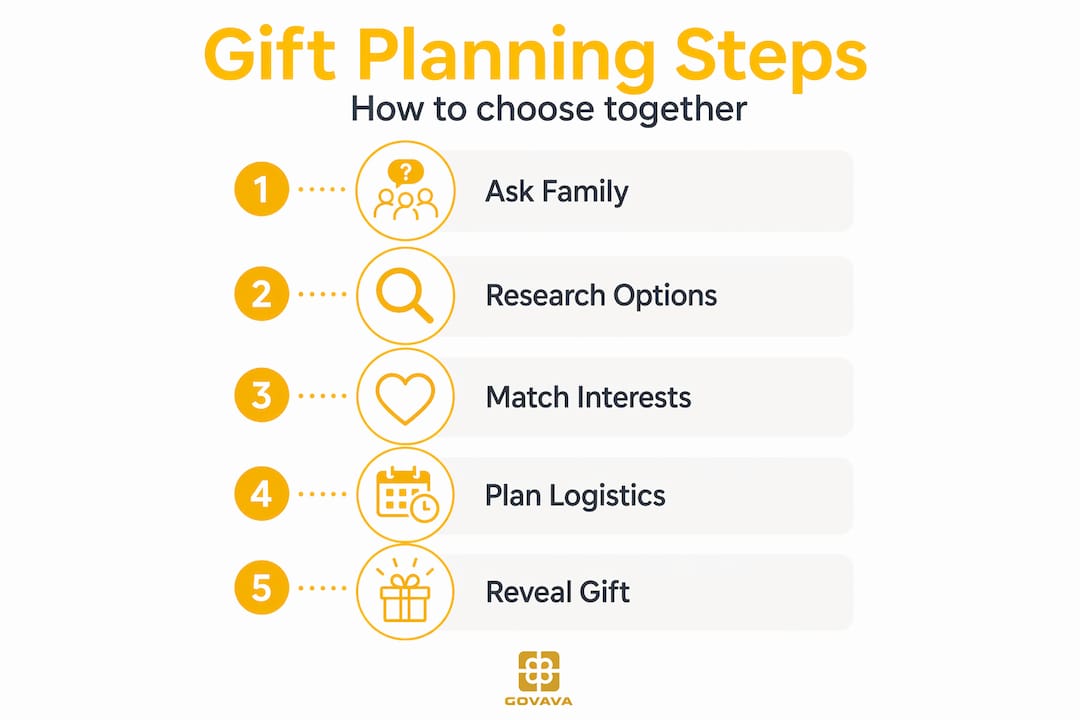
- Research with your specific family in mind. Pull up the venue's website and check every age and height restriction. Read recent reviews from families, not just couples. Look specifically for mentions of how it works with young children or teenagers.
- Time your purchase carefully. Experiences that involve travel need about 12 weeks of advance planning to avoid last-minute price surges and coordination chaos. Block the dates on the family calendar before you reveal the gift.
- Make the gift tangible at the reveal. Experience gifts can feel abstract compared to something you hold in your hands. Print a mini itinerary, put it in an envelope with photos of the destination, or create a simple "Adventure Kit" box with a few props related to the experience. Kids in particular need something physical to get excited about.
- Set expectations in advance. Tell family members what to wear, how long it will last, and what they'll be doing. Surprises are fun; being underprepared is not. A five-minute family conversation the night before saves a lot of friction.
- Establish a screen-free window. Research is clear that even one hour without devices creates a noticeable shift in conversation quality and family focus. Agree before you arrive that phones stay in bags during the main activity.
- Capture and revisit the memory. Take a few photos. Tell the stories at dinner that week. Let the experience extend beyond the day itself.
Pro Tip: A gift planning checklist can help you organize logistics, timing, and reveal ideas in one place, especially during busy holiday seasons when mental load is already high.
Pitfalls that turn great ideas into stressful days
Even the most thoughtful shared family experiences can go sideways. Here are the most common traps, and how to sidestep them.
- Overloading the itinerary. Packing six activities into one day guarantees that at least one child melts down and at least one adult resents the schedule. Pick two main things and let the rest unfold naturally.
- Gifting something that works for some but not all. An escape room is thrilling for adults and teenagers but bewildering for a five-year-old. If your gift isn't genuinely inclusive for every age present, it's not really a family experience gift. It's an adult gift with children dragged along.
- Ignoring the emotional burden on parents. Some "fun experiences for families" are genuinely exhausting to organize. If the gift creates more work than joy for the adults, it's missed its mark. The most effective experience gifts are simple to execute, not just exciting in concept.
- Letting screens compete for attention. Without an intentional agreement to be present, family members will drift back to their devices and the whole experience becomes co-presence rather than genuine connection.
- No backup plan. Weather changes, kids get sick, venues close unexpectedly. Have a flexible rescheduling option or an alternative outing in your back pocket.
The best family experience gifts are ones where nobody is watching the clock or their phone. When that happens, you've got it right.
What a winning family experience gift actually looks like
Picture this. You've booked an afternoon at a pottery studio. Your eight-year-old is laughing because her bowl looks like a sad hat. Your twelve-year-old, who insisted he wouldn't have fun, is fully absorbed in shaping a mug. You and your partner are making something together for the first time in months. Nobody is bored, nobody is excluded, and nobody is looking at a screen.
That's the experience. And the research explains why it feels so good. Shared play increases responsiveness and connected communication between parents and children, particularly when the activity requires real engagement rather than just proximity. These moments build what family therapists call "family narrative," the shared stories and references that define how a family understands itself.
The best memorable family outings don't require massive expense. They require intentional design. When experience gifts align with how families actually work, respecting different energy levels, ages, and interests, they leave behind something no toy ever could: a memory the family returns to together.
| Outcome | What makes it happen |
|---|---|
| Emotional closeness | Shared decision-making and cooperation during the activity |
| Lasting memory | Capturing stories and photos, then retelling them |
| Inclusive fun | Activities designed for every age present, not just the majority |
| Tech-free presence | Agreed device-free time during the core experience |
| Positive family habits | Repeating experience-based gifting over material presents |
My honest take on what makes these gifts succeed or fail
I've watched families pour real money into experience gifts that fizzle out by noon, and I've seen a simple afternoon berry-picking trip become a story that gets told at every holiday dinner for the next five years. The difference is almost never the price tag.
What I've learned is that most experience gifts fail because they're designed around an idea of the family rather than the actual family. Someone saw a beautiful glamping photo online and booked it without thinking about the fact that their youngest has sensory challenges or their teenager genuinely hates camping. The experience becomes an awkward obligation instead of a joy.
The other thing I've come to believe strongly: without intentional bonding habits, even a spectacular trip risks becoming mere co-presence rather than genuine connection. Phones stay in pockets, everyone watches their own corner of the activity, and the day ends pleasantly but without that warmth you were hoping for. A five-minute agreement before you walk in, something like "let's keep phones away until we're done," changes everything about the emotional texture of the day.
My strongest advice? Look at experience gifts for kids sorted by age, then work backward from your youngest child's genuine interests, not their age-appropriate interests but the things they actually light up about. Build the experience around those sparks, and the rest of the family tends to follow.
— carl
How Govava helps you find the right family experience
Finding the right fit across multiple ages, interests, and logistical realities is genuinely hard to do alone. That's where Govava comes in, like a knowledgeable friend who's done all the research for you.

Govava's AI-powered gifting platform filters experience gift ideas by family interests, children's ages, and your preferred level of effort, so you spend less time scrolling and more time actually planning something great. Whether you're looking for outdoor family gifts, a local class everyone can enjoy, or a full multi-day adventure, Govava matches you with options that actually fit. You can explore curated experience gifts tailored to your family's personality, or browse gift options by occasion to find something meaningful for any celebration. No guesswork, no overwhelm. Just the right gift, faster.
FAQ
What are the best experience gifts for families with young children?
All-in-one indoor resorts, zoo memberships, and creative workshops tend to work best for young children because they're low-stress, age-inclusive, and don't require long attention spans. Structured quest activities at theme parks also engage younger kids well.
How far in advance should I plan a family experience gift?
Experiences that involve travel or accommodation should be planned about 12 weeks in advance to avoid pricing and scheduling stress. Local or same-day outings need much less lead time.
How do I make sure everyone in the family enjoys the experience?
Check age minimums for every activity, match the experience to the family's real interests, and aim for activities that require cooperation rather than parallel participation. Experiences requiring shared decisions create stronger bonding than ones where everyone simply watches.
Do experience gifts need to be expensive to be meaningful?
Not at all. A pottery class, a guided nature walk, or a family cooking session can create memories just as lasting as a resort trip. The emotional value comes from presence and shared engagement, not the price of the ticket.
How do I present an experience gift so kids get excited about it?
Make it physical. Print a simple itinerary, add a few props related to the destination, or put the details in a themed envelope. Children respond to something they can hold and look at, and a tangible reveal transforms an abstract promise into real anticipation.