
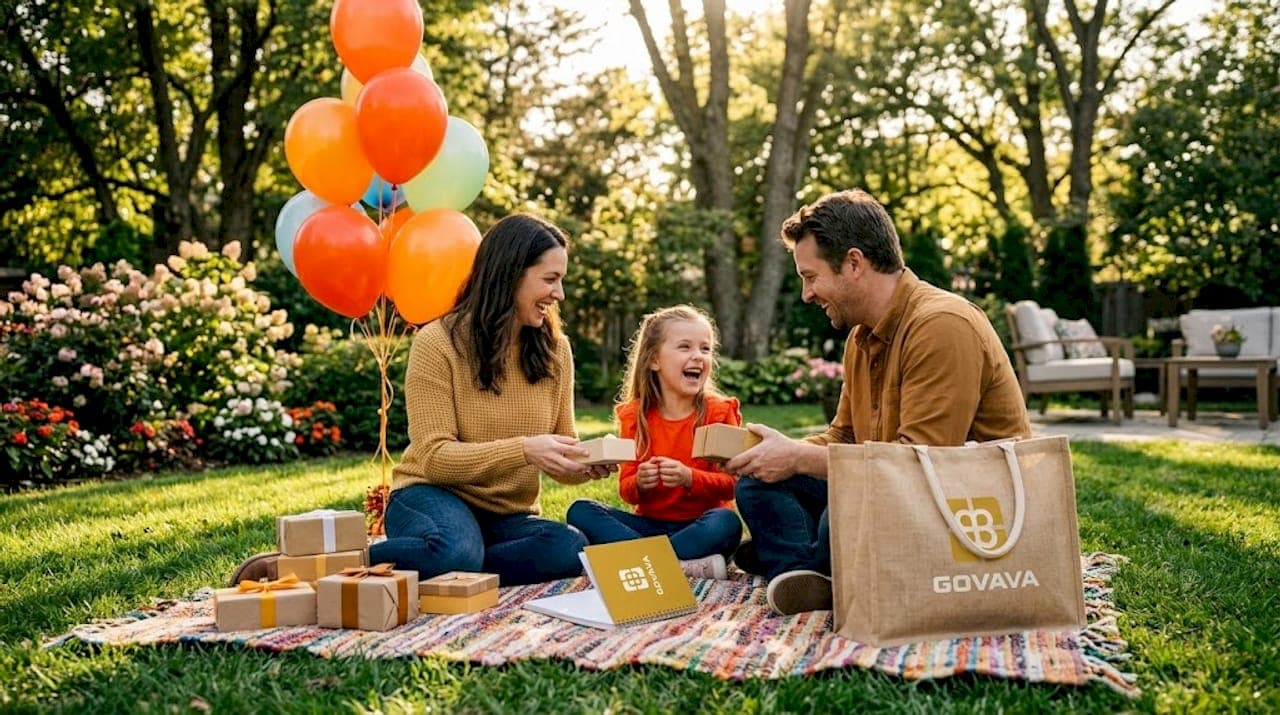
Every parent knows the feeling: it's two weeks before a birthday, the toy box is already overflowing, and you're staring at a screen wondering if another gadget is really the answer. Experience gifts for children offer something genuinely different. Instead of adding to the pile, they create memories, spark curiosity, and give kids something to talk about for years. This guide covers practical, diverse examples of experience gifts children will actually love, from museum memberships to adventure outings, and walks you through how to choose the right one for your kid.
Table of Contents
- How to choose the best experience gift for your child
- Top experience gift ideas for young children and toddlers
- Experience gifts perfect for older children and preteens
- Educational and nature experience gifts for all ages
- Comparing popular experience gift options: memberships, bundles, and one-time outings
- Our take: the gift isn't the activity, it's the attention
- Find the perfect experience gift with Govava
- Frequently asked questions
Key Takeaways
| Point | Details |
|---|---|
| Match gifts to developmental stage | Choose experiences that fit your child’s age and interests for maximum engagement. |
| Memberships offer lasting value | Museum or zoo memberships provide repeat access and reduce scheduling stress. |
| Pair tickets with tangible items | Adding a small themed gift makes experience gifts more exciting for kids. |
| Plan educational outings carefully | Reservations and timing are part of the gift, enhancing the planned experience. |
How to choose the best experience gift for your child
Before you book anything, it helps to think like a matchmaker. The best experience gifts for kids aren't just "cool activities," they're the right activities for the right child at the right time. A toddler who melts down after 45 minutes of stimulation needs something very different from a nine-year-old who lives for social adventures and can't sit still.
Developmental fit matters enormously. Toddlers thrive with short, sensory-rich outings like petting zoos, splash pads, or hands-on museum play areas. Older children and preteens, on the other hand, lean toward experiences that feel exciting, social, and slightly independent. Think escape rooms with friends, rock climbing gyms, or front-row seats at a live show.
Here's a quick checklist to run through before you commit:
- Age and attention span: Will your child stay engaged for the full duration?
- Social context: Is this a solo gift, a parent-child activity, or something to share with friends?
- Interests: Does this connect to something they already love or something they've been curious about?
- Logistics: How far is the venue, what are the hours, and does it require advance booking?
- Repeatability: Is this a one-time event or something they can enjoy again and again?
Pro Tip: Pairing a ticket or pass with a small tangible item, like a themed backpack, a related book, or a fun snack kit, makes the gift feel immediate and exciting to open. Check out these experience gift pairing ideas for inspiration on how to wrap an experience in something they can hold.
Now that you know how to pick the right type of experience gift, let's explore specific inspiring examples you can consider.
Top experience gift ideas for young children and toddlers
Let's look at experience gifts suited for younger kids, focusing on repeated access and sensory engagement.
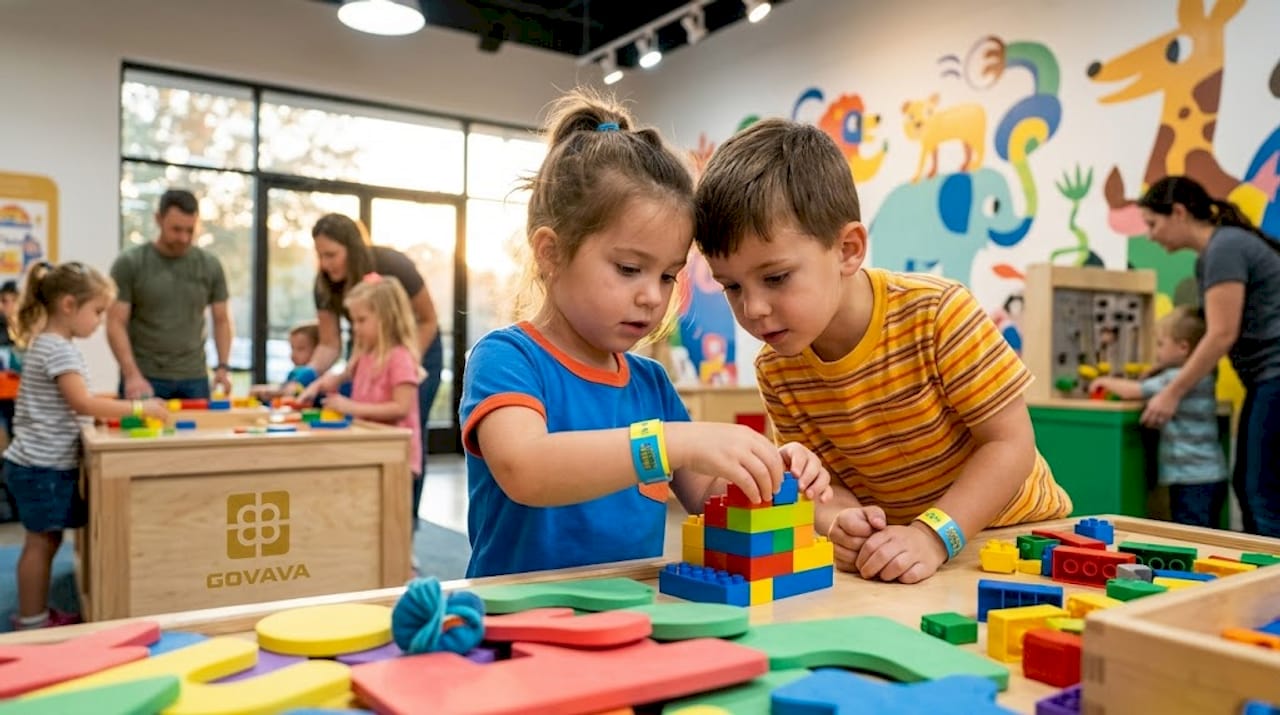
If you want a gift that keeps giving all year, a children's museum membership is genuinely hard to beat. These memberships are among the most beloved creative gifts for children precisely because they scale with the child's curiosity. One visit, they're obsessed with the water table. Next time, it's the shadow room. Family memberships start as low as $45 at some institutions, which is remarkably good value for a gift that works on rainy Saturdays, school breaks, and spontaneous weekday afternoons.
A local zoo or aquarium pass runs on the same logic. Kids who are wild about animals get to visit their favorites repeatedly, watch seasonal exhibits change, and participate in feeding experiences. The emotional connection children form with animals at this age is real and lasting. That's not just sweet, it's developmentally significant for building empathy and curiosity.
For something more active, consider skating lessons or a trampoline park package. These are fun activities for children that also build physical confidence and coordination. Many skating rinks offer beginner lesson bundles specifically designed for young kids, often in groups, which adds a social dimension that solo toys simply cannot offer.
Here's a look at how some popular options for younger children compare:
| Experience gift | Approximate cost | Best age range | Repeat visits? |
|---|---|---|---|
| Children's museum membership | $45 to $120/year | 1 to 8 years | Yes |
| Zoo or aquarium pass | $75 to $150/year | 2 to 10 years | Yes |
| Trampoline park passes | $40 to $80/pack | 3 to 12 years | Yes |
| Skating lesson bundle | $60 to $100/session | 4 to 10 years | Structured |
| Petting zoo outing | $15 to $30 | 1 to 6 years | One-time |
Pro Tip: Pair a zoo pass with a plush of their favorite animal and a "keeper for a day" sticker set. These tangible items paired with experience gifts transform the unboxing moment into its own mini-event.
Experience gifts perfect for older children and preteens
For older children, let's consider gifts that offer adventure and multiple fun options, balancing excitement and value.
Older kids crave experiences that feel grown-up and slightly daring. This is the sweet spot where experiential gifts for youth really shine, because the experience itself becomes a story they tell their friends. An escape room booking for a birthday group hits all those notes: problem-solving, teamwork, a countdown clock, and bragging rights. Many escape rooms have age-appropriate "junior" themes, making them accessible to kids as young as eight or nine with a parent present.
Live entertainment is another category worth taking seriously. Tickets to a local sports game, a touring theatrical show, or even a comedy magic show create a memorable occasion that feels special in a way Netflix never can. The anticipation, the dressing up, the intermission snack, it all adds up to something deeply memorable. Explore these live entertainment gift examples to see how other parents have structured similar gifts.
If you're planning a family trip, a multi-venue bundle is worth investigating. CityPASS bundles multiple attractions in one purchase, covering aquariums, science centers, and more in cities like Seattle, New York, and Chicago. You save money and your child gets a variety of experiences across a single trip, which is genuinely exciting for a kid who wants "the whole day to be an adventure."
For the physically adventurous preteen, a climbing gym membership or laser tag package delivers on energy. Zoo Atlanta membership starts at $139 and includes family admission and kids' perks throughout the year, which works beautifully for animal lovers who want more than a single visit.
| Gift type | Price range | Social factor | Repeat access |
|---|---|---|---|
| Escape room booking | $20 to $35/person | High | One-time |
| Live sports or theater tickets | $30 to $100/ticket | Medium | One-time |
| CityPASS bundle | $50 to $90/child | High | Multi-venue |
| Climbing gym membership | $40 to $80/month | Medium | Yes |
| Zoo Atlanta membership | $139+/family | Medium | Yes |
Pro Tip: When booking an escape room as a gift, print a "mission briefing" card and leave it in an envelope with their birthday card. The buildup is half the fun.
Educational and nature experience gifts for all ages
Besides adventure and entertainment, educational nature experiences make memorable and enriching gifts for any age.
There's a whole category of memorable gifts for children that families tend to overlook: experiences rooted in the natural world. These aren't just outings, they're moments that can genuinely shape how a child sees the planet. And they work across a surprisingly wide age range.
Here's a step-by-step approach to gifting a nature-based educational experience:
- Choose the right program. National Park Service sites offer teacher-guided field trips and ranger-led programs. NPS programs last about 1.5 hours and require advance reservations, so plan ahead.
- Book early. Popular parks and programs fill up fast, especially in spring and summer. Booking three to four weeks ahead is a good rule of thumb.
- Present the gift creatively. Print a custom "adventure itinerary" or fold a trail map into the gift envelope. The planning document becomes part of the gift.
- Pair it with a nature journal. Give your child somewhere to sketch what they see, record animal sightings, or press a leaf. This adds a hands-on layer that extends the experience long after the day ends.
Beyond national parks, state park annual passes are an underrated gift idea. For under $50 in most states, you give the whole family free access to hiking trails, beaches, lakes, and picnic grounds for an entire year. That's dozens of potential adventure days for the price of one mid-range toy.
The deeper benefit here is something no toy box can replicate: a growing sense of wonder and environmental stewardship. Kids who spend time in nature consistently develop stronger attention spans, better emotional regulation, and a sense of connection to something larger than themselves. That's not a small thing to give a child.
For those interested in field trip experience gift structuring, there are creative ways to present these nature-based adventures as polished, thoughtful gifts rather than impromptu outings.
Comparing popular experience gift options: memberships, bundles, and one-time outings
To help you decide, here's a clear comparison of the main types of experience gifts you might consider.
| Gift type | Upfront cost | Flexibility | Best for | Repeat value |
|---|---|---|---|---|
| Museum or zoo membership | Medium to high | High | Families who live nearby | Excellent |
| CityPASS or attraction bundle | Medium | Medium | Trips and vacations | Good for one trip |
| One-time event ticket | Low to high | Low | Special occasions | Single use |
| Lesson or class package | Medium | Medium | Skill-building kids | Good |
| National park pass | Low | Very high | Outdoor-loving families | Excellent |
The key insight here is that memberships reward proximity while bundles reward adventure travel. If you live 10 minutes from a great zoo, a membership pays for itself in two visits. If you're planning a family city trip, a CityPASS gives variety and saves real money. One-time event tickets are powerful precisely because of their scarcity: there's only one opening night, one playoff game, one chance to see that touring show.
Before finalizing any gift, review these experience gift review tips to make sure you're matching the gift to your child's actual personality, not just the activity's reputation.
The top gifts for kids in the experience category share one trait: they were chosen with that specific child in mind, not just pulled from a "best of" list.
Our take: the gift isn't the activity, it's the attention
Here's something the typical "experience gifts" article won't tell you. The part children remember most vividly isn't the climbing wall or the escape room. It's that you planned something specifically for them.
We've seen this pattern repeatedly. A child can receive a zoo membership and visit a dozen times with babysitters, and it registers as "fun." But when a parent takes the afternoon off work, packs a lunch, and says "today is your day, pick your favorite animal and let's go," that same zoo becomes the best day of the year.
This matters for how you present experience gifts. Don't just hand over a printout. Build a ritual around it. A handwritten note explaining why you chose this particular experience, what you're looking forward to sharing together, and what you hope they discover, that context transforms a ticket into something deeply personal.
The parents who get the most mileage from experience gifts are the ones who treat the planning as part of the gift. They research what their child has been curious about lately. They notice the offhand comment about "wanting to try rock climbing" from three months ago. They connect the dots in a way that makes the child feel genuinely seen. That is the real magic of choosing activities instead of toys: you're not just giving an outing, you're demonstrating that you pay attention.
Experience gifts also hold a subtle developmental advantage over most toys. They require the child to be present, engaged, and often a little outside their comfort zone. That friction, trying something new, navigating a group experience, building a skill in front of others, is where real growth happens. A toy can be set aside. An experience demands participation.
Find the perfect experience gift with Govava
Shopping for the right experience gift can feel like a puzzle, especially when every child is different and the options are endless. That's where Govava comes in, your AI-powered gifting companion that understands personality, interests, and the relationship you share with the person you're shopping for.
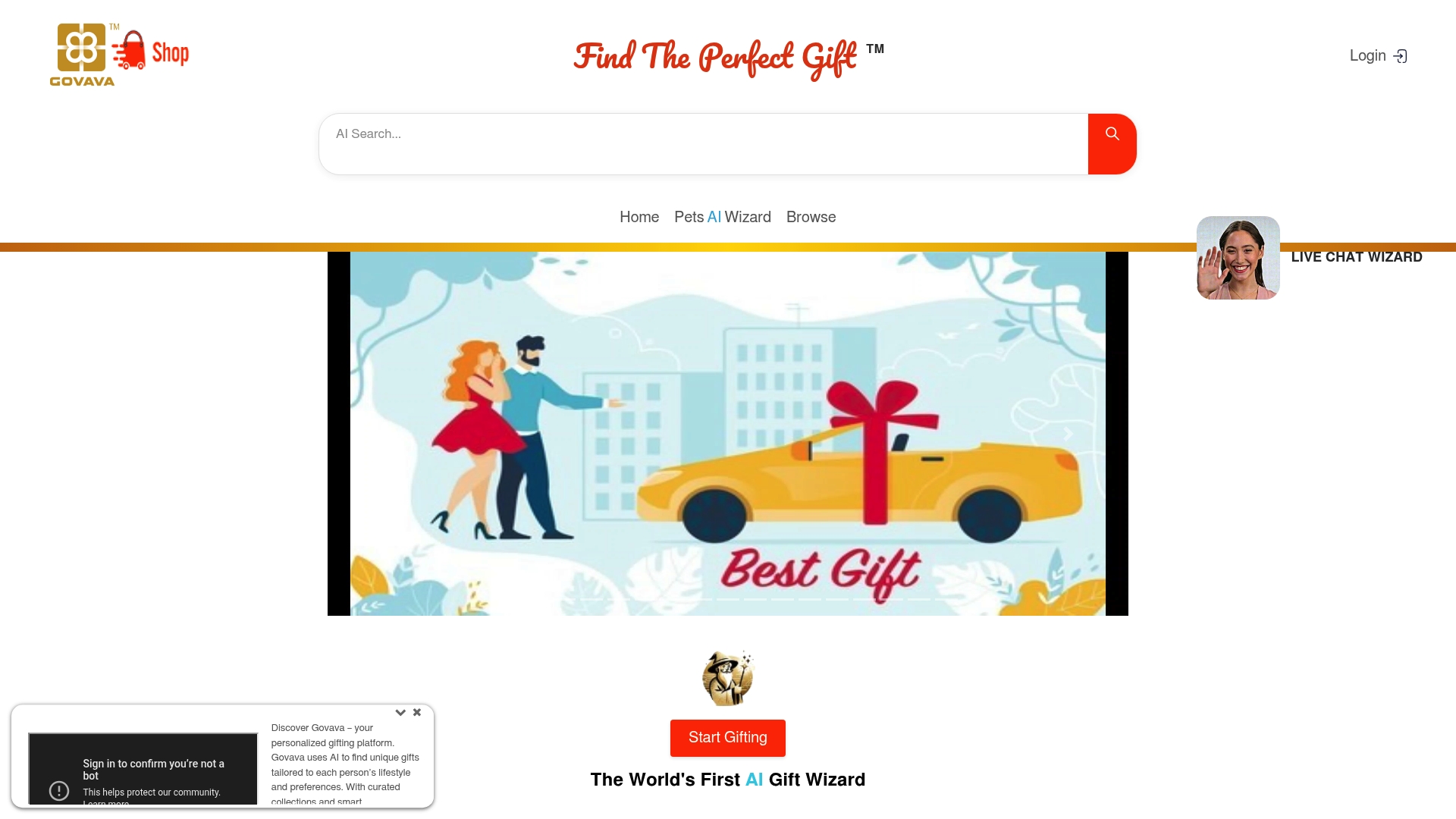
Instead of spending hours browsing and second-guessing, Govava matches you with thoughtful, personalized gift ideas for kids in seconds. Whether you're searching for unique kids experiences, creative gifts for children, or the perfect addition to pair with an experience ticket, Govava's AI does the heavy lifting so you can focus on the fun part: giving a gift that genuinely lands. Try it for your next birthday or holiday and discover just how personal gift-giving can feel.
Frequently asked questions
What are examples of experience gifts suitable for young children?
Experience gifts like children's museum memberships, zoo passes, and local skating lessons are great for young children because they offer sensory-rich, repeatable activities that match shorter attention spans and a love of exploration.
How can I make an experience gift feel more tangible for my child?
Pair the experience tickets or passes with a small related item, like a themed hat or snack, to create a fun reveal and build anticipation. As gift reveal ideas show, connecting the big moment to something they can hold makes the experience feel immediate and real.
Are memberships better than one-time tickets for experience gifts?
Memberships allow multiple visits and flexible scheduling, which means your child doesn't miss out if the first planned date falls through. Attraction memberships reduce the pressure of a single scheduled event and often deliver far more value over time.
What should I consider when choosing multi-attraction bundles like CityPASS?
Choose bundles where the included attractions genuinely match your child's interests, because the real value of bundles comes from alignment with what your child actually wants to do, not just the cost savings on paper.